Swiggy FSSAI Order is not a food safety scandal. It is a licence-related compliance issue tied to Toing, and Swiggy says the matter has now been resolved after updating the licence details and receiving the modified FSSAI licence on July 9, 2026.
Swiggy FSSAI Order and the Toing Licence Issue
Let me break it down in simple words. FSSAI raised observations on the licence particulars linked to Toing, which is Swiggy’s food ordering and delivery platform, but the company says there were no food safety concerns involved.
That matters because people often mix up a paperwork issue with a product safety issue. In this case, the core problem was administrative, not about unsafe food or bad delivery quality.
What Toing Means for Swiggy
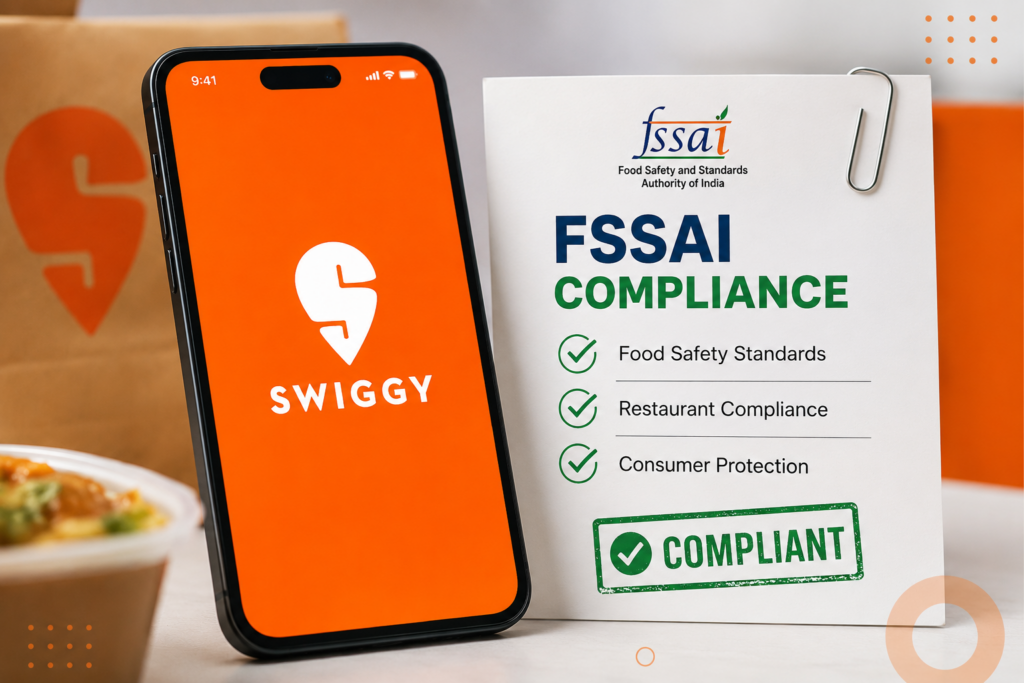
Toing is important because it shows how Swiggy is building more than one food delivery layer inside its business. When a platform launches or runs a new vertical, the brand, licence, and compliance structure need to stay aligned, or small gaps can turn into public notices.
From a founder point of view, this is normal scaling pressure. You move fast, test new ideas, and sometimes the paperwork trails behind the product. That does not make the business broken, it just means the operating system needs better controls.
Why FSSAI Watches Food Apps So Closely
FSSAI has been strict with food delivery players for years. Back in 2018, it told major food aggregators like Swiggy and others to delist non-licensed eateries and strengthen checks on restaurant compliance.
That history matters because. Food platforms sit between restaurants and customers, so the regulator expects them to verify listings, licences, and basic food safety standards.
FSSAI advisories and licence-related updates on the site fssai.gov
Detailed Timeline
July 6, 2026: FSSAI raised observations related to the licence details for Swiggy’s Toing platform. The issue was administrative in nature, not linked to food safety concerns.
Shortly after the notice: Swiggy reviewed the observations and corrected the licence-related details. The company said it had already addressed the points that led to the order.
July 9, 2026: Swiggy received the modified FSSAI licence after making the required updates. This is the clearest sign that the compliance gap had been closed.
Swiggy FSSAI Issue Resolved
The key line here is that Swiggy says the issue has already been resolved. The company said it addressed the observations that led to the order and later received the modified FSSAI licence on July 9, 2026.
That means this is best understood as a compliance correction, not a business threat. It is the kind of thing that can happen when a fast-growing company updates internal licences, brand structures, or entity details across multiple food ops.
The Bigger Business Lesson For Founders
This is where the real value is for founders, operators, and marketers. Growth is not only about reach, revenue, or app installs. It is also about compliance hygiene, entity design, and how clean your backend sysyem is when the public starts watching.
If you are building a consumer brand, this news is a reminder that every new sub-brand, market test, or service line needs legal and operational clarity from day one. Small mistakes in naming, licence mapping, or registration details can create avoidable noise later.
It also shows why platform businesses need strong internal checks. The faster you scale, the easier it is for one licence mismatch to become a media story. That is not a reason to move slow. It is a reason to build better controls.
What This Means for Consumers
For customers, this should not trigger panic. The report points to a licence update issue, and Swiggy says there was no food safety concern involved.
Still, these events are useful because they show why compliance exists in the first place. When food delivery apps stay tight on licences and checks, the whole ecosystem becomes more trustworthy for users, restaurants, and regulators.
The Real Founder Takeaway
If I were advising a startup team, I would say this: do not treat compliance like back-office busywork. In a regulated business, compliance is part of product quality.
Swiggy’s response suggests the company moved fast to fix the issue, and that is the right play. The smart move is not just resolving the notice, but preventing the next one by keeping licence records, brand entities, and operating structures in sync.
The bigger lesson is simple. When a business grows fast, the strongest moat is not hype, it is clean execution. And in food tech, clean execution means the app, the brand, the licence, and the ops all tell the same story.